
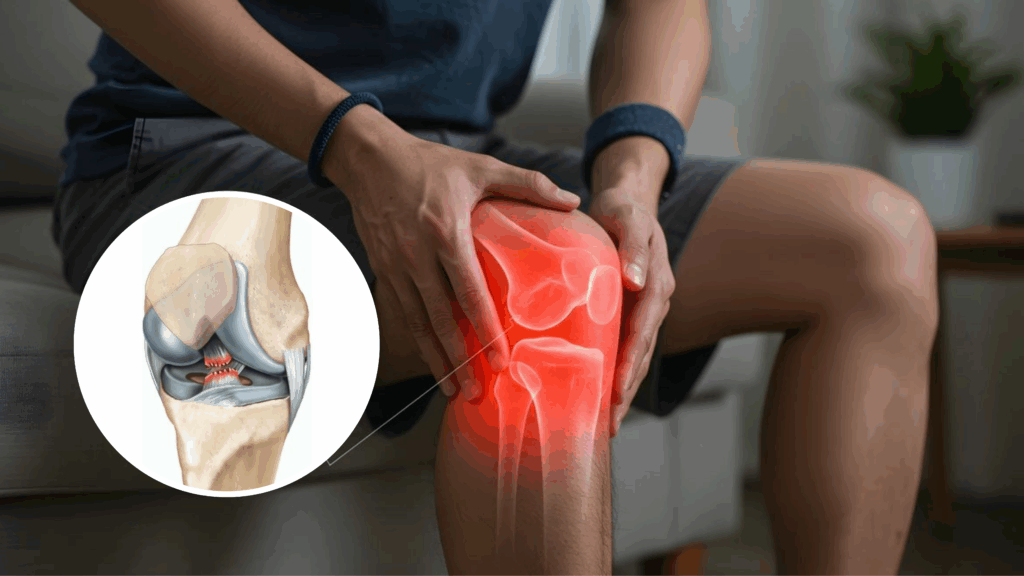
Knee injuries are common among people who love sports, fitness, or even regular outdoor activities. A sudden twist, awkward landing, or direct impact can sometimes lead to serious ligament damage.
One of the most talked-about knee injuries today is an ACL tear. Whether you are a professional athlete, a weekend football player, or someone who enjoys jogging, an ACL injury can put your active lifestyle on hold. Modern medical techniques now offer effective ways to treat this condition and help people get back on their feet sooner. Among these, arthroscopy has become a preferred option for many.
In this article, we will explore what an ACL tear is, the available treatment options, and most importantly, whether arthroscopic surgery can truly help you return to sports faster and safer.
What is an ACL Tear?
The anterior cruciate ligament, commonly called the ACL, is one of the key ligaments that help stabilize your knee joint. It connects the thigh bone to the shin bone and controls forward movement and rotation of the knee.
An ACL tear happens when this ligament stretches too much or breaks, usually during activities that involve:
- Sudden stops or changes in direction
- Jumping and landing awkwardly
- Twisting the knee while the foot is planted
- Direct impact to the knee during contact sports
Sports like football, basketball, cricket, badminton, and skiing are common causes, but slips, falls, or accidents can also lead to an ACL injury.
Signs and Symptoms of an ACL Injury
An ACL tear often happens suddenly and may come with clear warning signs such as:
- A popping sound or sensation in the knee at the time of injury
- Immediate pain and swelling within a few hours
- Feeling that the knee is unstable or may give way
- Difficulty walking or putting weight on the leg
- Reduced range of motion
Some people may still walk after the injury, but the feeling of instability often becomes more noticeable during activity.
How is an ACL Tear Diagnosed?
Doctors usually diagnose an ACL tear using:
- Medical history and physical exam to check knee stability
- Imaging tests like MRI, which shows ligaments, cartilage, and soft tissues clearly
- X-rays to rule out fractures, though they do not show ligaments
Treatment Options for ACL Tears
ACL tear treatment depends on several factors, such as age, activity level, severity of injury, and personal goals. The main options include:
- Non-surgical treatment: It usually involves
- Rest and use of knee braces
- Pain and swelling control
- Structured physiotherapy to strengthen muscles and improve balance
- Surgical treatment: Surgery is often advised for
- Complete ACL tears
- Athletes or active individuals
- People with repeated knee instability
- Associated injuries like meniscus tears
The most common surgical method today is arthroscopic ACL reconstruction.
What is Arthroscopy for ACL Treatment?
Arthroscopy is a minimally invasive surgical technique used to diagnose and treat joint problems. In ACL surgery, it involves making small cuts around the knee and inserting a tiny camera and instruments to repair or reconstruct the ligament.
Instead of opening the knee widely, surgeons work through these small openings, which leads to:
- Less damage to surrounding tissues
- Smaller scars
- Reduced pain after surgery
- Faster recovery compared to open surgery
In most cases, the torn ACL is replaced with a graft taken from the patient’s own tendon or sometimes from a donor.
Can Arthroscopy Help You Return to Sports Faster?
Yes, arthroscopic ACL surgery can help many people return to sports faster, mainly because it causes less tissue damage and allows quicker rehabilitation. Since arthroscopy is less invasive, patients often experience:
- Less post-surgery pain and swelling
- Early movement of the knee
- Faster start to physiotherapy
- Better confidence in knee stability
However, “faster” does not mean rushing back too soon. Proper healing and rehab are essential to avoid re-injury. Most athletes return to sports in about 6 to 9 months, depending on progress and sport type.
Benefits of Arthroscopic ACL Reconstruction
Some key advantages include:
- Smaller cuts and minimal scarring
- Lower risk of infection
- Less pain after surgery
- Shorter hospital stay
- Faster return to daily activities
- Good long-term knee stability when combined with rehab
Risks or Complications
Arthroscopy also has some risks like any other surgery, though they are relatively low. These may include:
- Infection
- Blood clots
- Knee stiffness
- Pain around graft site
- Graft failure or re-tear in rare cases
Life after ACL surgery: Role of Rehabilitation
Surgery is only one part of recovery. Rehabilitation plays a major role in helping you return to sports. Phases of rehab usually include:
- Early phase: reducing swelling, regaining movement
- Strength phase: building thigh and hip muscles
- Balance training: improving knee control
- Sport-specific training: preparing for running, jumping, and direction changes
A guided physiotherapy program can last several months. Skipping or rushing rehab can delay recovery or increase the risk of another injury.
Can ACL Tears Heal Without Surgery?
Partial tears and low-demand cases may heal with physiotherapy and lifestyle changes.
However, a completely torn ACL usually does not heal on its own because blood supply to the ligament is limited. Without surgery, active people may continue to feel knee instability, which can damage cartilage and meniscus over time.
Delaying treatment may lead to:
- Repeated knee giving way
- Damage to meniscus
- Early joint wear and tear
- Reduced performance in sports
Tips to Prevent ACL Injuries
While not all injuries can be avoided, you can reduce risk by:
- Strengthening thigh and core muscles
- Warming up before sports
- Learning proper jumping and landing techniques
- Wearing suitable footwear
- Avoiding sudden increases in training intensity
- Regular fitness and balance training play a big role in knee safety.
FAQs
I am 30, is ACL surgery right for me?
Yes, age alone does not decide treatment. If you are active and have knee instability, arthroscopic ACL surgery can help restore function even in your 30s or beyond.
What is the cost of ACL surgery in India?
The cost of arthroscopic ACL reconstruction in India usually ranges from INR 80,000 to INR 2,50,000, depending on city, hospital setup, type of graft, and rehabilitation needs.
How painful is ACL arthroscopic surgery?
Pain is usually moderate and well controlled with medicines. Since arthroscopy uses small cuts, pain is generally less than traditional open surgery.
How long will I need physiotherapy after surgery?
Physiotherapy typically continues for 4 to 6 months, and sometimes longer for athletes aiming to return to competitive sports.
When can I start walking after ACL surgery?
Most patients begin walking with support within a few days and gradually progress to full weight-bearing as advised.
What are the chances of re-injury after ACL surgery?
With proper rehab and precautions, success rates are high. However, there is still a small risk of re-tear, especially if returning to sports too early.
Conclusion
An ACL tear can feel like a major setback, especially if sports and fitness are a big part of your life. The good news is that advances in arthroscopic surgery have made treatment safer, less invasive, and more effective than ever before. While arthroscopy can help many people return to sports faster, the real key to success lies in proper rehabilitation, patience, and following medical advice.
Every knee is different, and so is every recovery journey. If you suspect an ACL injury, early consultation and a clear plan can make all the difference in getting you back to the activities you love with confidence and strength.


