
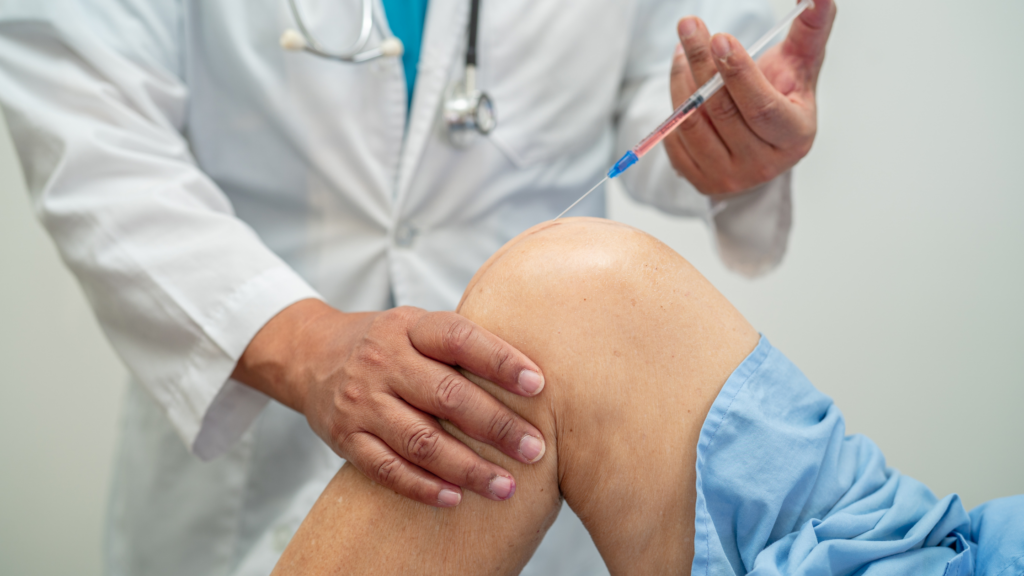
Knee pain has become increasingly common, affecting people of all age groups. Long hours of sitting, reduced physical activity, previous injuries, and age-related wear and tear often contribute to persistent knee discomfort.
For many, the pain begins gradually with stiffness or swelling and eventually interferes with simple daily activities like climbing stairs, sitting cross-legged, or walking long distances. Because knee pain can severely impact quality of life, people naturally look for treatments that provide relief without major surgery or long recovery periods.
One treatment that has gained attention in recent years is Platelet-Rich Plasma (PRP) therapy, especially for knee osteoarthritis and chronic knee pain. PRP has become increasingly accessible and many individuals explore this therapy when medications and physiotherapy alone are not enough.
However, like any emerging medical option, it’s important to understand what PRP can realistically offer: its benefits, limitations, cost, and success rates. This article explains PRP therapy to help you make an informed decision.
PRP Therapy for Knee Pain
PRP therapy is a minimally invasive procedure where a concentrated solution of your own platelets is injected into the knee. Platelets are naturally present in your blood and play a major role in healing by releasing growth factors that help repair damaged tissue. When these platelets are isolated and concentrated, the solution becomes rich in components that may help reduce inflammation and support recovery in the affected joint.
Although PRP is not a new concept, its use in treating knee pain and osteoarthritis has expanded only in the last decade. Since it uses your own blood, the risk of major reactions is minimal, and many people prefer it as a natural alternative to steroid injections.
How Does PRP Therapy Help the Knee?
PRP is believed to support healing in the knee through two main actions:
1. It reduces inflammation that causes pain.
The growth factors in platelets may calm down inflammation inside the joint, which is one of the major reasons people experience swelling, stiffness, and pain while walking.
2. It may promote tissue repair.
The injected platelets can stimulate the surrounding tissues to repair themselves, which may help slow down worsening knee damage. While current research does not show that PRP can rebuild cartilage, many individuals report improved mobility and reduced discomfort.
Because PRP works with the body’s natural healing process, the results develop gradually over several weeks.
Benefits of PRP Therapy for Knee Pain
Many people consider PRP therapy because of the potential benefits reported in clinical studies and patient experiences. Some of the commonly noted advantages include:
Reduced Knee Pain
Multiple studies have observed improvements in pain levels after PRP injections, especially in individuals with mild to moderate osteoarthritis. Many patients report lesser stiffness and better ability to walk or climb stairs.
Improved Joint Function
PRP may help enhance joint mobility by calming inflammation and supporting the health of surrounding tissues. This allows individuals to resume daily routines with greater ease.
Long-Lasting Relief Compared to Steroids
While steroid injections may provide quick relief, their effect often fades faster. Research reviews have shown PRP may offer benefits for up to 6–12 months in some individuals, depending on the severity of the condition.
Minimally Invasive and Drug-Free
PRP uses your own blood without introducing chemicals, reducing the risk of allergy or adverse reactions.
May Reduce the Need for Surgery (for Some Patients)
Although PRP cannot replace surgery for severe arthritis, it may help delay the need for surgical intervention in certain cases by managing symptoms effectively.
Who Can Benefit From PRP Therapy?
PRP therapy may be helpful for:
- Mild to moderate osteoarthritis of the knee
- Chronic knee pain that hasn’t improved with physiotherapy
- Tendon or ligament injuries around the knee
- Individuals wanting to avoid or delay knee surgery
- People unable to take frequent pain medications
However, PRP may not be ideal for individuals with:
- Severe arthritis where the joint space has almost disappeared
- Blood disorders
- Active infection
- Uncontrolled diabetes
- Being on strong blood-thinning medications
A proper evaluation is necessary before deciding on the treatment.
What Happens During a PRP Procedure?
PRP therapy typically involves the following steps:
- Blood Collection: A small amount of blood is drawn from your arm, similar to a routine blood test.
- Platelet Concentration: The blood is placed in a centrifuge machine that spins rapidly to separate the components. This process concentrates the platelets in a small volume of plasma.
- Injection Into the Knee Joint: The area is numbed, and the PRP solution is injected into the joint space. Some doctors may use ultrasound guidance to ensure accurate placement.
- Short Rest and Discharge: You will be observed for a short time and then allowed to go home. Mild discomfort or tightness is normal for a day or two.
The entire session usually takes less than an hour.
Recovery After PRP Therapy
Most individuals resume light activities within a day or two. A doctor may recommend:
- Applying ice packs for swelling
- Avoiding heavy exercise for a week
- Using crutches for 1–2 days if needed
- Avoiding painkillers like ibuprofen or aspirin, as they may interfere with platelet activity
- Continuing physiotherapy after a few days
Improvement usually becomes noticeable after 3–4 weeks, with gradual progress over the next few months.
Is PRP Therapy Effective for Knee Pain?
PRP has shown promising results in many studies, but its effectiveness can vary. Research generally suggests that:
- PRP works better for early to moderate osteoarthritis than advanced stages.
- Multiple injections (usually 2–3 spaced weeks apart) provide better results than a single dose.
- Individuals with a more active lifestyle may see better improvements.
While some research reviews have shown positive effects for up to a year, other studies have found mixed results. Standardization of PRP preparation is still evolving, which may explain the differences in outcomes.
Success Rate of PRP Therapy for Knee Pain
Measuring a success rate for PRP is challenging because studies use different preparations and protocols. However:
- Some clinical studies report around 60% of patients showing significant improvement after PRP therapy.
- Other reviews indicate that PRP performs better than hyaluronic acid and steroid injections over long-term follow-up.
- Relief may last 6–12 months for many individuals, depending on their lifestyle and arthritis severity
PRP is not a cure for osteoarthritis, but it can be a supportive therapy to manage symptoms.
Cost of PRP Therapy for Knee Pain in Hyderabad
In India, a single PRP (Platelet-Rich Plasma) injection for a knee can cost between ₹6,000 to ₹20,000. The cost varies by clinic and the number of sessions necessary. The ultimate cost is determined by the procedure’s preferences, or doctor’s experience, and the number of sessions required to get optimal results.
Factors influencing costs
- Number of sessions: Most people require more than one session to achieve satisfactory results, which raises the overall cost.
- Clinic and location: Premium clinics in major areas or with highly skilled specialists may charge more.
- Individual Needs: The specific approach and customisation of PRP therapy might affect the overall cost.
Limitations of PRP Therapy
While PRP is promising, it’s important to understand its limitations:
- Results vary widely from person to person.
- It may not be effective for advanced arthritis.
- Multiple sessions are often required.
- It can be relatively expensive.
- It does not rebuild cartilage.
Being aware of these points helps maintain realistic expectations.
Possible Side Effects and Risks
PRP uses your own blood, so major complications are rare. However, mild effects may include:
- Temporary swelling
- Pain or soreness at the injection site
- Warmth or stiffness
- Light dizziness
- Local infection
- Minor nerve irritation
Choosing an experienced healthcare professional reduces these risks significantly.
Can PRP Replace Knee Surgery?
PRP cannot replace surgery for individuals with severe arthritis where the cartilage is extensively worn out. However, it may help:
- Delay surgery
- Manage pain in the earlier stages
- Improve mobility temporarily
It’s best seen as a supportive therapy but not a cure.
Frequently Asked Questions (FAQs)
Is PRP therapy good for knee pain?
PRP may help reduce pain and stiffness in people with early to moderate osteoarthritis. Results vary, but many individuals experience improved mobility and comfort.
How many PRP injections are needed for knee pain?
Most people need 2–3 sessions spaced a few weeks apart for optimal results. People with early-stage arthritis may respond to fewer sessions, while those with chronic damage may need additional follow-up injections every 6–12 months.
How long do PRP results last for knee pain?
Benefits may last 6 to 12 months in many individuals, though outcomes vary depending on lifestyle and arthritis severity.
Is PRP safe?
Yes, PRP is considered safe since it uses your own blood. Minor soreness or swelling can occur but usually settles within a few days.
Can PRP regrow cartilage in the knee?
Current research does not show that PRP regenerates cartilage. It mainly helps reduce pain and improve function.
Is PRP better than steroids?
Steroids offer quick relief but do not last long. PRP may provide more sustained benefits without the side effects associated with repeated steroid use.
Conclusion
In Hyderabad, PRP therapy has become a promising treatment for those with knee pain. Although it cannot cure severe arthritis, it may often lessen pain, increase mobility, and postpone the need for surgery. Having realistic expectations and strictly following your doctor’s instructions, particularly with regard to physiotherapy, might have a big impact on the result because PRP works gradually. If you’re considering PRP therapy, consult a qualified healthcare professional to understand whether it suits your knee condition, lifestyle, and long-term goals


