
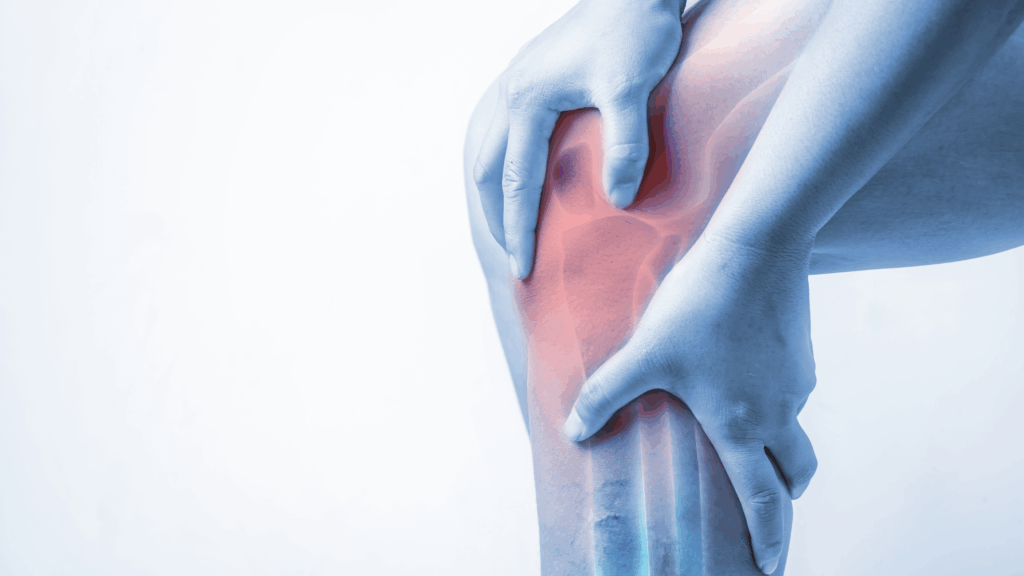
Living with constant knee pain can slowly take over daily life. Simple movements like climbing stairs, getting in and out of a car, or walking to the market start to feel like a task. For many people with severe knee arthritis or long-standing knee damage, a knee replacement becomes the option that finally gives stable movement and long-term pain relief.
In Hyderabad, knee replacement (also called knee arthroplasty) is a routine and trusted procedure. Most people want to know three things before choosing it: the expected cost, how long recovery usually takes, and what day-to-day life will feel like after surgery.
What is a Knee Replacement?
A knee replacement is a procedure in which the damaged parts of the knee joint are removed and replaced with artificial components made of metal and high-grade plastic. The goal is to reduce pain, improve stability, and restore smooth movement in the joint.
In a total knee replacement, most of the worn-out joint surfaces on the thigh bone (femur), shin bone (tibia), and sometimes the kneecap are resurfaced. In a partial knee replacement, only the most damaged compartment of the knee is replaced, and healthy structures are left as they are.
People usually consider knee replacement when:
- Knee pain is severe most days, even at rest
- Walking distance has reduced sharply
- Pain is not controlled with physiotherapy, weight management, braces, or medications
- X-rays or scans show advanced joint wear
Types of Knee Replacement Commonly Done in Hyderabad
There are a few main approaches, and each one has its own cost and recovery profile.
- Total Knee Replacement (TKR)
Both sides of the knee joint are resurfaced. This is the most common procedure for people with widespread osteoarthritis affecting most of the knee.
- Unilateral / Single Knee Replacement
Only one knee is operated on. The other knee is untouched.
- Bilateral Knee Replacement
Both knees are operated on, usually in the same hospital admission. This is considered when both knees are equally damaged and causing disability.
- Partial Knee Replacement (PKR)
Only one compartment (for example, the inner side of the knee) is replaced. Because less bone and soft tissue are disturbed, recovery from a partial replacement can sometimes be faster.
- Revision Knee Replacement
This is a repeat surgery. It is done if an old implant has worn out or loosened, or if there are complications. Revision surgeries are usually more complex and therefore more expensive.
Knee Replacement Cost in Hyderabad
The cost of knee replacement in Hyderabad usually falls in the range of about ₹1,50,000 to ₹3,50,000 for a single (unilateral) knee in many routine cases, and can go up to around ₹6,50,000 or more depending on factors like implant type, hospital category, room type, and medical complexity.
For people getting both knees replaced in one admission (bilateral knee replacement), overall expenses can range roughly from ₹3,50,000 on the lower side to ₹12,50,000 at the higher end.
Here is how the cost typically breaks down:
- Implant / prosthesis cost: The artificial joint is a big part of the bill. Different materials and designs have different price points. High-performance implants that are built for better wear resistance or higher flexibility often cost more.
- Surgeon and anesthesia fees: This covers the orthopedic surgeon’s fee and the cost of the anesthesia team.
- Operation theatre and surgical team charges: This includes use of the operating room, sterilization, surgical instruments, and support staff.
- Hospital stay and room charges: Most people stay in the hospital for around 3–5 days after surgery for pain control, physiotherapy initiation, wound checks, and monitoring for early complications like infection or clot formation. Each extra day adds to the final bill.
- Pre-surgery tests and scans: Blood tests, ECG, X-rays, sometimes MRI, and medical clearance from a physician are all part of the preparation.
Recovery Timeline After Knee Replacement
The main focus is pain control, swelling control, and safe movement. You’ll usually start walking short distances with a walker or crutches as “weight bearing as tolerated,” unless your surgeon says otherwise. This early walking improves blood flow and helps prevent clots. You’ll also do light bending and straightening exercises for the knee to maintain range of motion.
By 4–6 weeks, many people can move around the house more comfortably, get in and out of a chair independently, and may even start short outdoor walks. Some can begin driving again around this time if pain is controlled, strength allows safe braking, and they are no longer on strong painkillers. Desk-type work is sometimes possible at 4–6 weeks; jobs that demand longer standing, traveling, or lifting often need more time (closer to 3 months).
By 6 to 12 weeks, people notice a major jump in confidence at this stage. Stiffness continues to improve, and climbing stairs often becomes easier. Swelling is usually less intense. Light household chores, slow-paced shopping, and social outings become realistic again.
Full recovery from a knee replacement often takes 6–12 months. Improvements can continue well past the one-year mark, and some sources note progress even up to 18 months, especially in terms of strength, balance, and confidence.
What does Physiotherapy Do?
Physiotherapy after knee replacement is not optional, it is a core part of the treatment. Structured rehab:
- Teaches safe walking patterns (so weight is placed properly through the new joint)
- Builds thigh and hip strength to support the knee
- Trains balance and helps reduce limping
- Works on bending (flexion) and straightening (extension) so the knee does not become stiff
In the first six weeks, people are encouraged to walk several times a day (with support at first), practice getting in and out of chairs safely, and do specific range-of-motion drills at home and with a therapist. Regular guided exercises in this early period are strongly linked to better long-term function.
Who is a Good Candidate for Knee Replacement?
Knee replacement is usually suggested for:
- Severe knee osteoarthritis that hasn’t improved with non-surgical care.
- Post-traumatic damage where the knee joint surfaces are no longer smooth.
- Advanced cartilage wear causes deformity (the knee bending inwards or outwards), instability, or daily pain.
Who may be asked to delay or prepare first:
- People with uncontrolled diabetes, active infection anywhere in the body, or very poor skin condition around the knee may be advised to stabilize these issues first because they increase infection risk.
- People with severe obesity may be guided toward weight management before or after surgery to reduce stress on the new joint.
- Extremely young patients (for example, in their 30s or early 40s with knee damage from injury) are assessed more cautiously.
The final decision is done after a proper assessment includes X-rays, walking pattern analysis, medical fitness, and lifestyle goals.
Possible Risks of Knee Replacement Surgery
Like any major surgery, knee replacement has risks. The common ones discussed in clinical settings include:
- Infection around the implant
- Blood clots in the leg
- Stiffness if rehab is not followed
- Implant loosening or wear over many years
Frequently Asked Questions (FAQs)
How long will it take before walking feels normal again?
Most people start standing and walking short distances with a walker within a day or two after surgery, under supervision. Many can walk more confidently around the house in 4–6 weeks and resume regular day-to-day routines by about 3 months. Complete recovery, including strength and comfort for longer walks, often takes 6–12 months.
Will I be pain-free after surgery?
Most people report that the deep, grinding arthritis pain reduces a lot after surgery. There will still be surgical soreness and swelling at first, but this usually improves week by week. By 3 months, many people describe their knee as “smoother” and more reliable than before surgery.
How long does a knee implant last?
Modern knee implants are built to last for decades. Data from joint replacement follow-ups show that more than 80% of knee replacements are still working well even 20–25 years later. Good body weight control, avoiding repeated high-impact jumping/running, and regular follow-up checks all help the implant last longer.
Conclusion
Knee replacement in Hyderabad is not just an “old age surgery.” It is a planned procedure that aims to restore mobility, reduce long-standing pain, and help people return to an active daily life. The cost for one knee typically starts around the ₹1.5 lakh range and can scale upward based on implant type, medical needs, and the complexity of the case. Recovery is not instant, it is a step-by-step journey that usually spans months, guided by careful wound care, regular follow-up, and disciplined physiotherapy.


