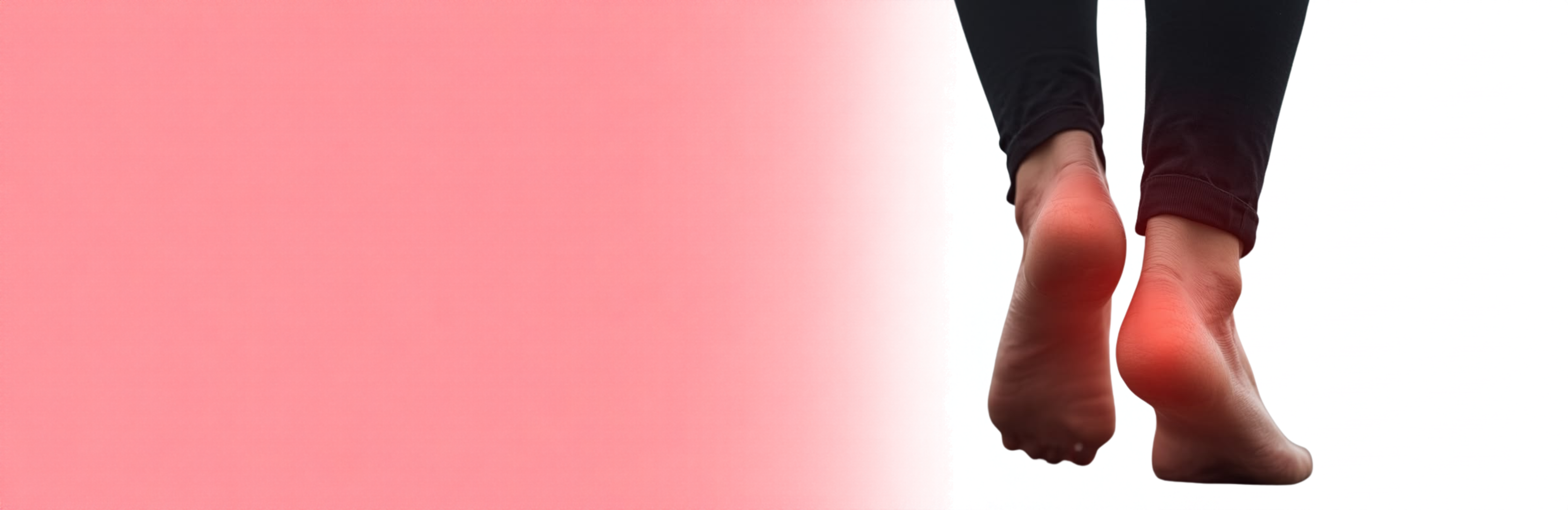

Heel Pain That Hurts With Your First Steps Needs a Specialist, Not Just Softer Shoes.
Few things start the day worse than a sharp, stabbing pain in the heel the moment your feet hit the floor. Heel pain is one of the most common foot complaints, and one of the most persistent. Whether it is that classic first-step pain in the morning, an ache at the back of the heel, pain that returns after standing or walking, or heel pain that simply will not go away, it is a signal that a structure in the heel needs proper attention.
Most people try softer shoes, gel pads and rest, and hope it settles. Some mild cases do. But for the many people whose heel pain keeps returning or steadily worsens, ignoring it allows the problem to become chronic and much harder to treat. The good news is that heel pain responds extremely well to the right treatment, and rarely needs surgery.
Dr. Mir Jawad Zar Khan and the specialist team provide the full range of heel pain treatment in Hyderabad under one roof, backed by over 26 years of dedicated orthopedic experience and international fellowship training. If you have been searching for a heel pain specialist, the best heel pain doctor near me, or a heel pain treatment doctor who gives a real diagnosis rather than another gel pad, this is where that search ends.
What Causes Heel Pain?
The heel takes the impact of every step, and heel pain can come from the tissue under the foot, the back of the heel, the bone or the surrounding nerves. Identifying the exact source is the whole basis of effective treatment, which is why an accurate diagnosis by a qualified heel pain doctor matters before treatment begins. The most common causes we see are the following.
Plantar Fasciitis
By far the most common cause of heel pain. Inflammation of the plantar fascia, the band of tissue along the sole of the foot, produces the classic sharp pain with the first steps in the morning or after rest. This is the main focus of heel pain treatment at our centre.
Heel Spur
A bony growth on the underside of the heel bone, often linked to long-standing plantar fasciitis, which can add to the pain during standing and walking.
Achilles Tendinitis
Pain and stiffness at the back of the heel from inflammation of the Achilles tendon, common in active people, runners and those who have increased activity suddenly.
Heel Pad Problems
Thinning or bruising of the natural fat pad that cushions the heel causes a deep, aching heel pain, especially in older adults and after high-impact activity.
Bursitis
Inflammation of the fluid-filled sac at the back or under the heel causes pain and tenderness, often from pressure or friction.
Stress Fracture
A small crack in the heel bone from repetitive impact causes pain that worsens with activity and needs prompt care, managed alongside our trauma and fractures service.
Nerve-Related Heel Pain
A trapped or irritated nerve near the heel can cause burning pain, tingling or numbness, which needs a proper diagnosis to treat correctly.
Inflammatory Conditions
Conditions such as gout and rheumatoid arthritis can cause heel pain and are managed alongside our rheumatoid arthritis service.
Symptoms That Need a Heel Pain Specialist
The following symptoms should prompt a visit to a heel pain specialist doctor without delay. Early assessment leads to earlier and more effective treatment, and prevents heel pain from becoming chronic.
Sharp heel pain with your first steps in the morning, heel pain that returns after standing or walking, pain at the back of the heel, swelling or tenderness, heel pain that has lasted more than two to three weeks despite rest and softer footwear, burning pain, tingling or numbness in the heel, and any heel pain following an injury are all indicators that a clinical assessment is overdue.
How We Diagnose Heel Pain
Accurate diagnosis is the foundation of effective heel pain treatment in Hyderabad at our centre. Because heel pain has several possible causes, a precise diagnosis requires more than a single X-ray. The following evaluation is carried out at your first consultation.
A detailed clinical history covers where the pain is felt, when it is worst, and how it affects walking and standing. A thorough physical examination assesses the heel, the plantar fascia, the Achilles tendon, the heel pad and specific tests designed to identify the affected structure. Imaging begins with X-rays to assess the heel bone and check for a spur or stress fracture, and progresses to ultrasound or MRI when detail on the plantar fascia and soft tissues is needed.
Following the evaluation, every patient receives a clear, plain-language explanation of their diagnosis and a personalized treatment plan covering all available options before any decision is made.
Surgical Treatment for Heel Pain: A Rare Last Step
Surgery for heel pain is rarely needed. It is considered only for the small number of cases where months of full conservative treatment, including ESWT, have not relieved the pain, or where a specific structural problem clearly needs correcting. When surgery is required, it is targeted and delivered through our dedicated foot and ankle surgery service, addressing the plantar fascia, a heel spur or the Achilles tendon depending on the cause, followed by a structured recovery plan. For heel and ankle pain treatment that involves the wider foot, see our foot and ankle pain treatment in Hyderabad page.