
Pain Management

Medically reviewed by
Dr. Mir Jawad Zar Khan
MBBS, MS (Ortho), M.Ch (Ortho), Fellowship in Arthroplasty, Munich, Germany.
Chairman, Germanten Hospitals, Hyderabad.
PAIN MANAGEMENT
Pain Medicine is a medical facet association, representing physicians practicing in the field of pain medicine. As a medical specialty society, Academy is involved in education, training, advocacy, and research in the specialty of pain medicine. For victims suffering with chronic pain, an active lifestyle might seem like a nightmare. Our centralized pain management process helps patients to diminish acute pain to perform their regular activities of daily living. Our team of pain management doctors are devoted to working closely with patients and their referral physicians to eliminate pain leading their path to wellness. Pain Medicine is a multi-disciplinary journal committed to pain clinicians, researchers with an interest in pain from various medical specialties such as pain medicine, anaesthesiology, family practice, internal medicine, neurology, neurological surgery, orthopaedic spine surgery, psychiatry, and rehabilitation medicine as well as health related disciplines such as psychology, neuroscience, nursing, nurse practitioner, physical therapy, acupuncturists or massage therapists and integrative health. Pain doctors prescribe medicines that relieve headaches, sore muscles, arthritis, and other aches. Each person may also have a slightly different response to a pain reliever.
There are several over-the-counter (non prescription) medicines that are good for innumerable types of pain. Discrete attention to pain management is a critical component of a patient's recovery, as acute or chronic low back pain leads to depression, difficulty in sleeping, and difficulty to exercise and stretching, which in turn can worsen and prolong a painful back condition. There are two main types of OTC pain medicines: acetaminophen (Tylenol) and nonsteroidal anti-inflammatory drugs (NSAIDs). Aspirin, naproxen (Aleve), and ibuprofen (Advil, Motrin) are examples of OTC NSAIDs. If OTC medicines don't solace your pain, your physician might prescribe a stronger medicine dosage such as NSAIDs. The most powerful pain soothers are opioids. They are very effective, but have a risk of serious side effects. There is also a risk of getting addicted to medicines to subdue pain. Analysing the risks, you must use them only under a doctor's supervision. Because of the potential side effects, risks, and complications of opioids, and body's increasing tolerance to opioids over time, these medications are most clearly indicated for the treatment of short-term intense pain, such as acute postoperative pain. If used to treat pain for longer periods, close monitoring is essential.
Pain relievers are widely available in the form of oral, topical, and injections. There are many things you can do to help ease pain. Pain relievers are just one part of a pain treatment plan.
Latest News & Awards

Times Health Survey Recognition
Germanten Hospital has earned a prestigious position in the Times Health Survey 2023 for excellence in orthopedic care and patient satisfaction.
Read More →
India's Most Trusted Orthopedic Centers
Recognized as India's Most Trusted Orthopedic Treatment Centers 2022 for outstanding surgical outcomes and advanced medical technology.
Read More →
Iconic Joint Replacement Surgeon
Times of India Award of Iconic Joint Replacement Surgeon of Telangana for pioneering minimally invasive surgical techniques.
Read More →
Presidential Excellence Award
Dr. Mir Jawad Zar Khan awarded by the Hon'ble 14th President of India Shri Ram Nath Kovind for contributions to healthcare.
Read More →Recent Post

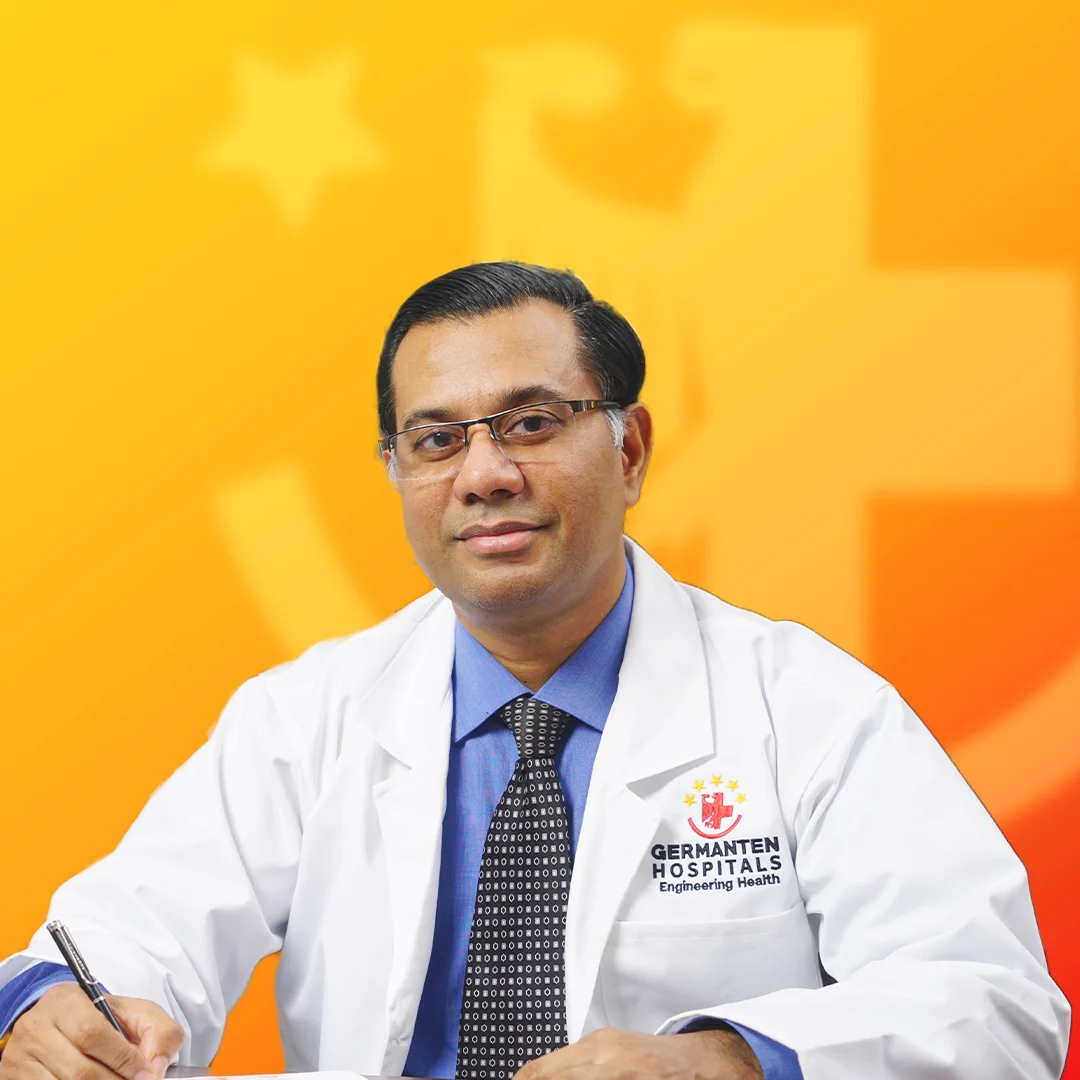
Dr. Mir Jawad Zar Khan
Chairman and Managing Director