Medically Reviewed by
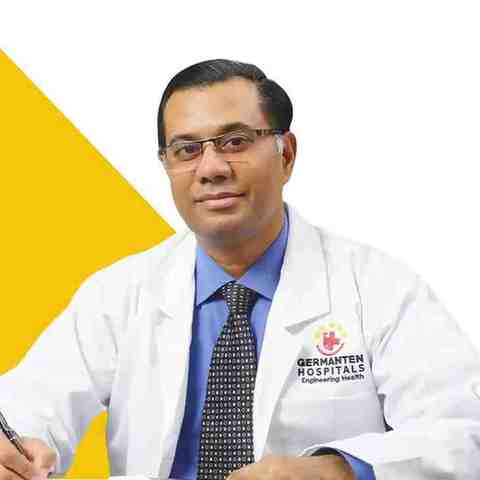
DR. MIR JAWAD ZAR KHANMBBS, MS - Orthopedic
M.CH-(Ortho) Joint
Replacement surgeon
Cervical and Lumbar Spondylosis Treatment in Hyderabad: A Complete Guide
If a doctor has told you that your neck or back pain is due to spondylosis, it can sound alarming, but the word simply describes the natural wear and tear that affects the spine as we age. Spondylosis is extremely common, and for most people it is very manageable. It comes in two main forms depending on where it occurs: cervical spondylosis in the neck and lumbar spondylosis in the lower back. This guide explains what spondylosis is, its symptoms, and how it is treated in Hyderabad, the great majority of the time without surgery.
What Is Spondylosis?
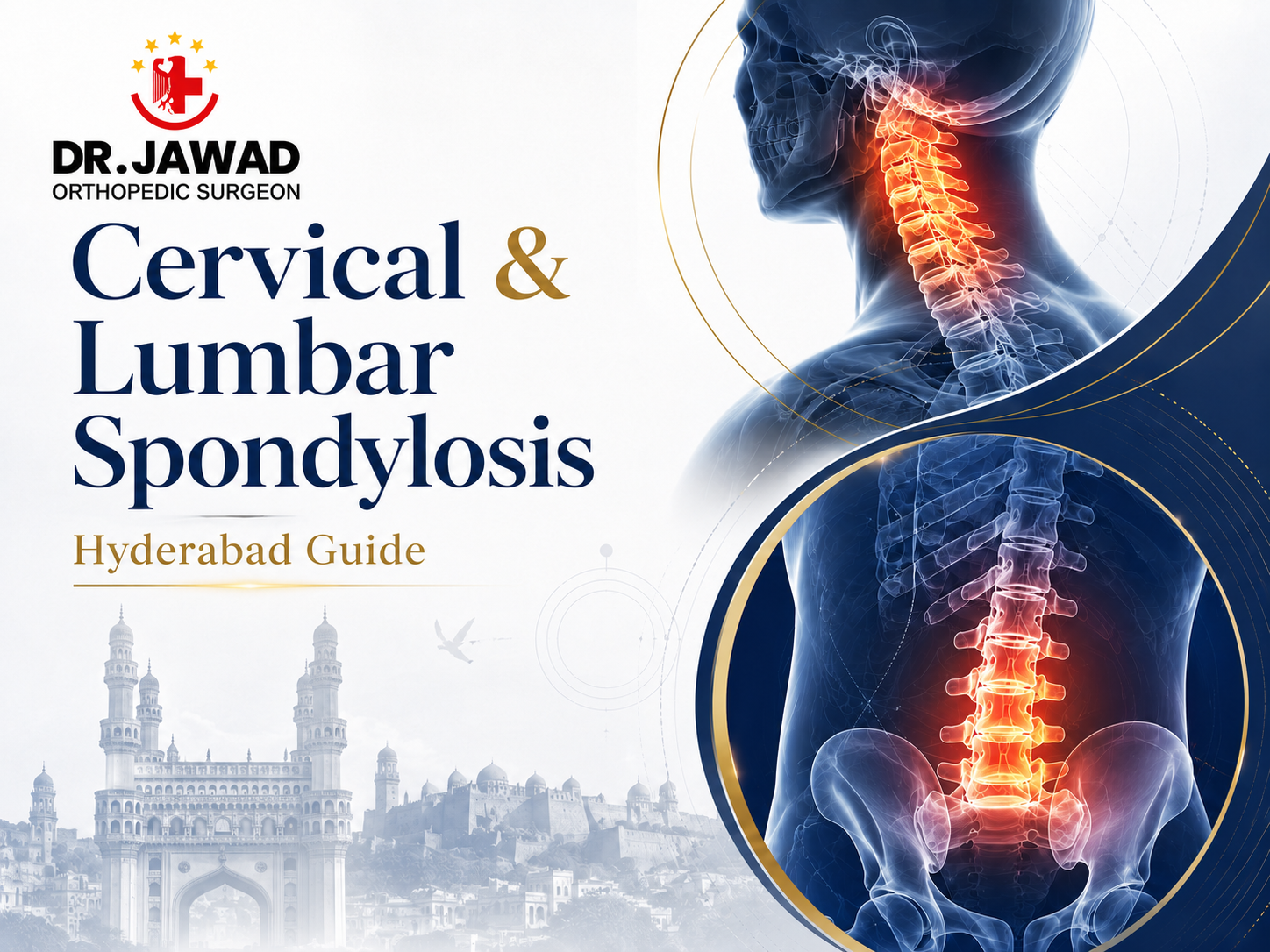
Spondylosis is the medical term for age-related, wear-and-tear changes in the spine. Over time, the discs that cushion the vertebrae lose water content and height, and the bones and joints can develop small bony growths called osteophytes. This is essentially arthritis of the spine, and it is a normal part of ageing rather than a disease in the usual sense.
It is so common that, according to the American Academy of Orthopaedic Surgeons , more than 85 percent of people over the age of 60 are affected by cervical spondylosis, and importantly, many of them have no symptoms at all. The same wear-and-tear process affects the lower back as lumbar spondylosis.
Cervical Spondylosis (Neck)
Cervical spondylosis affects the neck region of the spine. When it causes symptoms, these typically include neck pain and stiffness, especially after periods of inactivity, and sometimes a grinding sensation when turning the head.
In some cases the bony changes press on nearby nerves or the spinal cord, which can cause pain, numbness, tingling or weakness that radiates into the shoulders, arms or hands. This nerve involvement is what sometimes needs more active treatment, though many people with cervical spondylosis manage well with conservative care.
Lumbar Spondylosis (Lower Back)
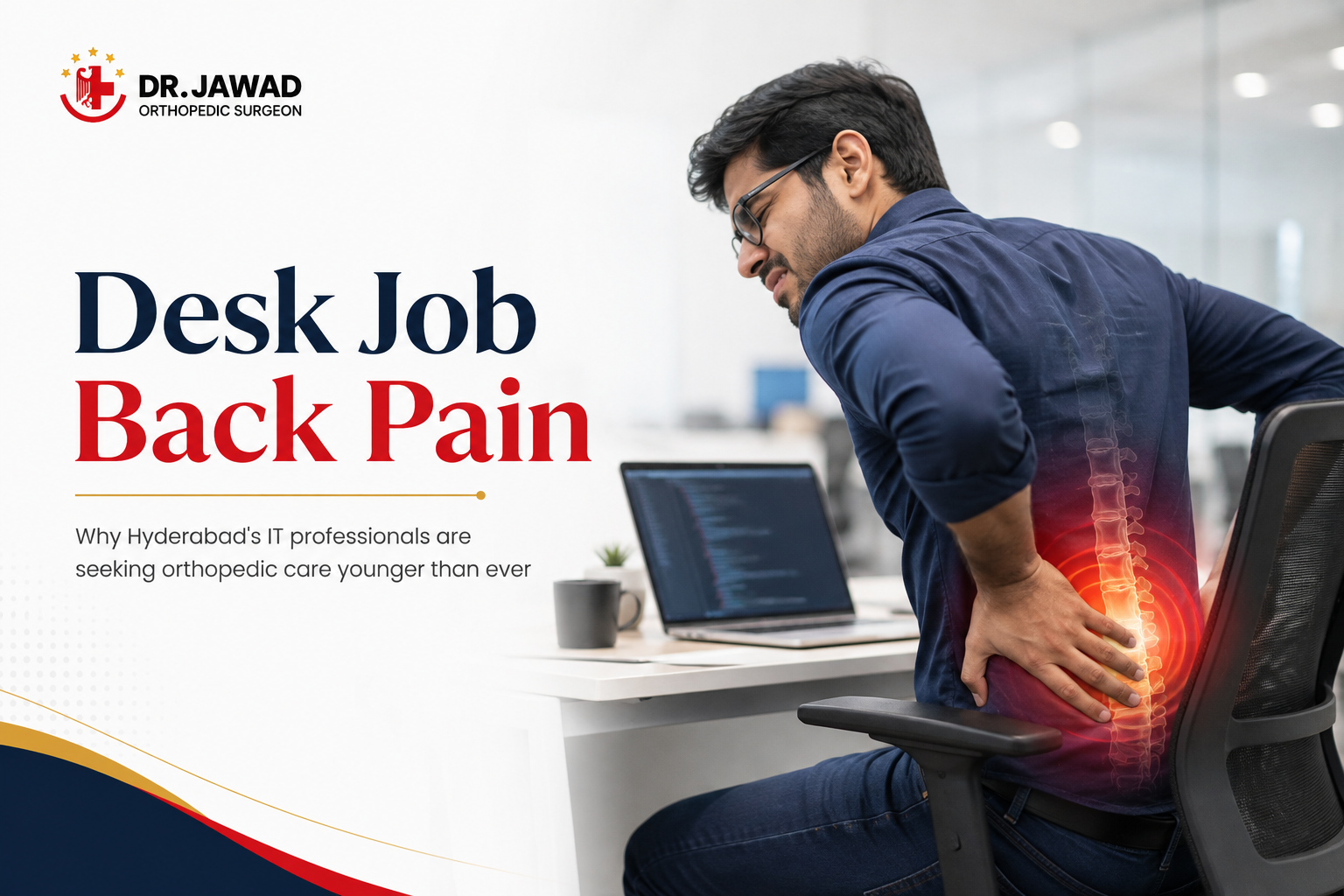
Lumbar spondylosis affects the lower back, the region that carries much of the body's weight. Its main symptom is lower back pain and stiffness that often eases with movement and worsens after long periods of sitting or standing.
As with the neck, if the age-related changes narrow the space around the nerves, they can cause pain, numbness or weakness that spreads into the buttocks and legs, sometimes overlapping with sciatica. Long hours of desk work can make lumbar symptoms more noticeable.
How Is Spondylosis Treated?
The reassuring reality is that spondylosis responds very well to conservative, non-surgical treatment in the large majority of cases. The goal is to relieve pain, maintain movement and prevent the condition from limiting daily life.
Physiotherapy and exercise
Targeted exercises strengthen the muscles that support the neck and back, improve flexibility
and reduce stiffness. This is the cornerstone of spondylosis management.
Medication
Anti-inflammatory medicines and pain relievers help control symptoms during flare-ups.
Posture and lifestyle changes
Improving posture, taking regular breaks from sitting, and staying active all reduce the strain
on an ageing spine and keep symptoms in check.
Pain management procedures
For persistent nerve-related pain, targeted procedures can provide relief without surgery.
When Is Surgery Considered for Spondylosis?
Surgery is rarely needed for spondylosis. It is considered only in the minority of cases where the bony changes cause significant, ongoing compression of the nerves or spinal cord, leading to severe pain, progressive weakness or problems with function that do not improve with conservative treatment.
When surgery is required, it aims to relieve the pressure on the affected nerves, and modern techniques are often minimally invasive. For the vast majority of people, though, spondylosis is a manageable, lifelong condition rather than a surgical one.
Living With Spondylosis
For most people, spondylosis is a manageable, lifelong condition rather than a progressive threat. Staying active is one of the most important things you can do, as regular gentle movement keeps the neck and back flexible and the supporting muscles strong.
Simple daily habits make a real difference: maintaining good posture, setting up your workspace to avoid straining the neck, taking regular breaks from sitting, and keeping to a healthy weight. Many people with spondylosis live full, active lives with these measures alone.
Can Spondylosis Be Prevented?
Because spondylosis is largely a natural part of ageing, it cannot be completely prevented. However, the same habits that help you live with it also slow its progression and reduce symptoms.
Regular exercise, good posture, avoiding smoking, staying at a healthy weight and protecting the spine during daily activities all help keep the neck and back healthier for longer. Catching and managing symptoms early keeps the condition from limiting your life.
Frequently Asked Questions
Is spondylosis a serious condition?
For most people spondylosis is a normal, manageable part of ageing, and many have no symptoms at all. It becomes more serious only in the minority of cases where it significantly compresses nerves or the spinal cord.
Can spondylosis be cured?
The age-related changes themselves cannot be reversed, but the symptoms are very treatable. Most people manage well with physiotherapy, exercise and posture correction, without surgery.
What is the difference between cervical and lumbar spondylosis?
Cervical spondylosis affects the neck, while lumbar spondylosis affects the lower back. Both are the same wear-and-tear process occurring in different parts of the spine.
Does spondylosis always need surgery?
No. Surgery is rarely needed and is considered only when there is significant nerve or spinal cord compression that does not improve with conservative treatment.
Conclusion
Spondylosis is the natural, age-related wear of the spine, affecting the neck as cervical spondylosis and the lower back as lumbar spondylosis. It is extremely common, often causes no symptoms, and when it does, responds very well to non-surgical treatment such as physiotherapy, medication and posture correction. Surgery is rarely needed. Understanding spondylosis as a manageable part of ageing, rather than a frightening diagnosis, is the first step to living comfortably with it.
If neck or back pain is affecting your daily life, Dr. Jawad at Germanten Hospitals, Attapur, can assess it and guide treatment. Call 9989635555 to book a consultation.

DR. MIR JAWAD ZAR KHAN
MBBS, MS - Orthopedic, M.CH-(Ortho) Joint Replacement Surgeon
As the visionary Chairman and Managing Director of Germanten Hospitals, Hyderabad, Dr. Mir Jawad Zar Khan brings over two decades of surgical leadership to the field. He is dedicated to transforming lives through evidence-based treatments, advanced robotic technology, and a commitment to patient quality of life.