

MBBS, MS - Orthopedic
M.CH-(Ortho) Joint Replacement surgeon
Best Orthopedic Doctor in Hyderabad for Knee, Back & Shoulder Pain
Orthopedic problems are becoming increasingly common today, especially among people who lead busy, high-stress or sedentary lifestyles. Many individuals tend to ignore early symptoms until the pain interferes with mobility, but seeking timely care can prevent complications. An experienced orthopedic specialist plays a crucial role in diagnosing the root cause, suggesting the right treatment, and guiding long-term recovery.
This article explains how to identify the best orthopedic doctor in Hyderabad for knee, back, and shoulder pain, and what to expect from the consultation. You'll also learn about treatment options, non-surgical possibilities, and common doubts people have when considering orthopedic care.
What is the Role of Orthopedics?
Orthopedics focuses on conditions affecting bones, joints, muscles, ligaments, tendons, and nerves. When any of these structures weaken or get injured, the result is pain, reduced movement, stiffness, and instability.
Common reasons people visit an orthopedic doctor include:
- Knee pain while walking, climbing stairs, or sitting for long hours
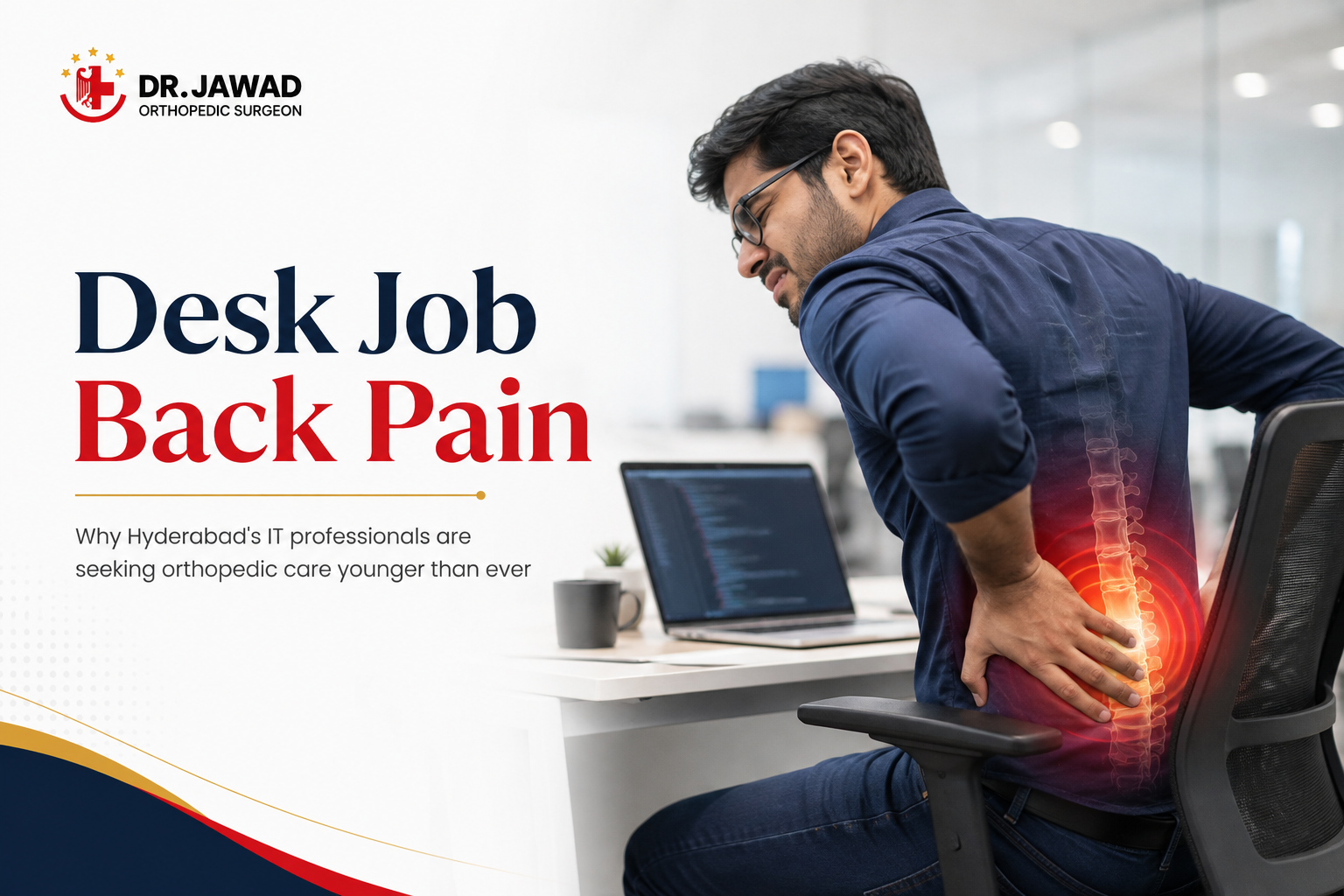
- Lower back pain due to poor posture or disc issues
- Shoulder pain caused by strain, overuse, or age-related wear
- Sports injuries
- Arthritis or age-related joint degeneration
- Car accidents or slip-and-fall injuries
Because these conditions often overlap, consulting a trained specialist ensures accurate diagnosis and personalized treatment.
How to Identify the Best Orthopedic Doctor in Hyderabad
Finding the right specialist can feel overwhelming, but focusing on a few clear factors makes it easier.
1. Experience in Treating Knee, Back, and Shoulder Conditions
While all orthopedic doctors are trained in musculoskeletal issues, some focus more heavily on specific regions. A doctor who frequently treats knee arthritis, lumbar spine issues, or shoulder tendon problems will likely understand the nuances of those conditions better. Their experience helps them quickly identify underlying causes and suggest the most effective approach.
2. Use of Updated Diagnostic Methods
Modern orthopedics depends heavily on accurate imaging and evaluation. Specialists who use advanced yet patient-friendly diagnostic tools like digital X-rays, musculoskeletal ultrasound, or detailed physical assessment methods can detect issues at an early stage.
3. Balanced Approach: Both Non-Surgical and Surgical
The best orthopedic doctors do not rush to surgery. Instead, they first explore non-invasive methods such as physiotherapy routines, lifestyle changes, supportive devices, medicines, and targeted exercises. Surgery is usually suggested only when absolutely necessary.
4. Communication and Patient Comfort
A good orthopedic specialist should be approachable, willing to explain your condition in simple terms, and open to answering questions. Clear communication builds trust and helps you follow the treatment plan confidently.
5. Patient-Centric Decision Making
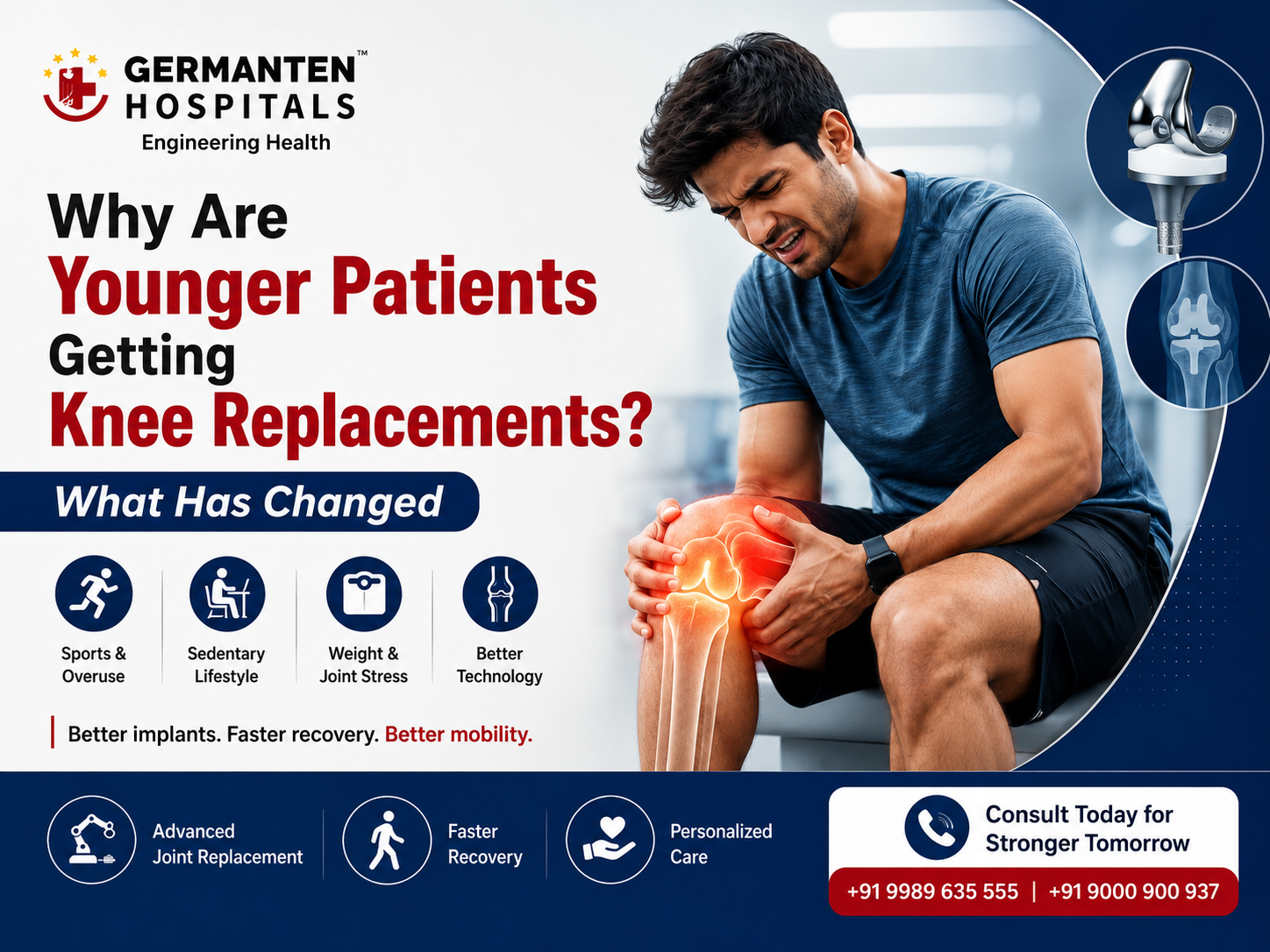
The best doctors consider a patient's age, occupation, level of activity, and overall health before finalizing a treatment plan. For example, a young fitness enthusiast with knee pain may need a different approach than an older adult with chronic arthritis.
What to Expect During an Orthopedic Consultation
When you visit an orthopedic specialist in Hyderabad, the process usually includes:
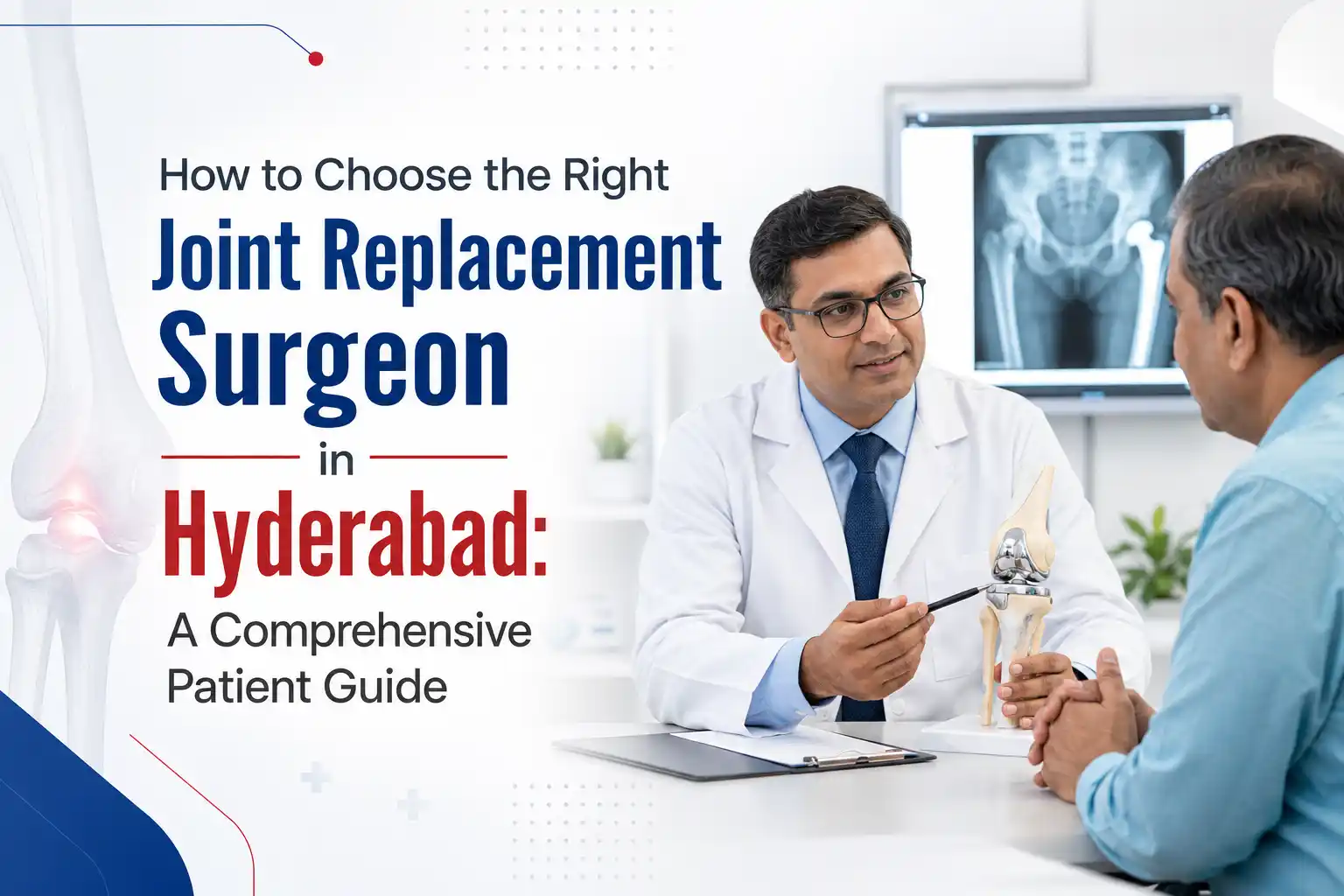
- Detailed Discussion: The doctor will ask about your symptoms, daily activities, medical history, and any recent injuries.
- Physical Examination: They will check joint movement, pain points, muscle strength, flexibility, and posture.
- Diagnostic Tests: Based on the findings, you may undergo X-rays, MRI, ultrasound, or blood tests.
- Personalized Treatment Plan: The doctor will then recommend medications, exercises, lifestyle changes, or other treatments suited to your condition.
Non-Surgical Orthopedic Treatments Available Today
Not every orthopedic problem needs surgery. In fact, many doctors emphasize non-invasive care.
- Physiotherapy: Strengthens muscles, improves joint mobility, and helps relieve pain.
- Exercise Therapy: Customized exercise plans help reduce stiffness and improve stability.
- Pain-Relief Injections: Used only in select cases for quick relief.
- Orthotic Devices: Braces, belts, and supports help reduce stress on weak joints.
When Is Surgery Considered?
Surgery is usually the last option. It may be recommended when:
- Pain continues despite months of treatment
- There is structural damage like ligament tears
- Joint movement becomes severely restricted
- Nerve compression causes numbness or weakness
- Fractures need repair
Orthopedic surgeries today have become more advanced and minimally invasive, allowing quicker recovery.
Recovery and Rehabilitation
Post-treatment recovery is as important as the treatment itself. Orthopedic rehabilitation helps regain strength, balance, and confidence in movement. A typical rehabilitation plan includes:
- Guided physiotherapy sessions
- Home exercises
- Posture correction routine
- Gradual return to regular activities
Following your doctor's instructions consistently ensures long-term relief.
How to Maintain Healthy Bones and Joints
While some orthopedic conditions are unavoidable, many can be prevented with simple habits:
- Stay active with low-impact exercises
- Keep a healthy body weight
- Practice correct posture
- Use supportive footwear
- Stretch regularly
- Take frequent breaks from long sitting
- Include calcium-rich foods in your diet
- Avoid sudden heavy lifting
Small daily changes can make a big difference in joint health.
FAQs
When should I consult an orthopedic doctor for pain?
If your knee, back, or shoulder pain lasts more than a week or restricts your movement, it's better to get it evaluated early.
Is surgery the only solution for knee or shoulder pain?
No. Most orthopedic conditions can be treated with physiotherapy, lifestyle changes, and medications.
I am 30. Should I worry about chronic knee pain?
Yes, even young adults can develop knee strain due to long sitting hours, lack of exercise, or injuries. Early treatment prevents future complications.
What is the cost of orthopedic consultation in Hyderabad?
Consultation fees generally range from ₹500 to ₹1,500, depending on experience and specialization.
How much does knee or shoulder treatment cost?
Non-surgical treatments such as physiotherapy, braces, and medications may cost ₹1,000 to ₹10,000 overall. More advanced imaging or procedures will vary based on individual needs.
Are physiotherapy and exercise really effective?
Yes, for many conditions they are the most important part of recovery. Strengthening the surrounding muscles reduces stress on joints.
Conclusion
Understanding your symptoms and obtaining timely professional advice are key to selecting the best orthopedic doctor in Hyderabad for knee, back, and shoulder discomfort. In addition to providing an accurate diagnosis, the proper expert will adopt a patient-centered, balanced approach to assist you in regaining your mobility.
Early intervention guarantees quicker relief and improved long-term joint health, regardless of whether you require basic exercises, physiotherapy, drugs, or complex treatment. Most people may resume their normal activities without experiencing any discomfort and have more active, pain-free lives with the right care.