
Stem Cell Therapy for Joint Pain: What You Need to Know
Everyday activities such as climbing stairs, kneeling to tie a child's shoe, or going for a light jog can feel effortless until aching joints make each movement a conscious effort. Traditional care, from pain-relief tablets to joint-replacement surgery can help, yet many people still search for a middle ground: relief that is more powerful than pills but less invasive than an operation.
That search has turned a spotlight on stem-cell therapy. The idea is simple but compelling—collect a patient's own repair cells, concentrate them, and guide them back to the site of damage so the body can do what it already knows how to do: mend itself. Below is a clear look at the science, procedure, benefits and limits, and questions to ask before choosing this option.
What Makes Stem Cells Special?
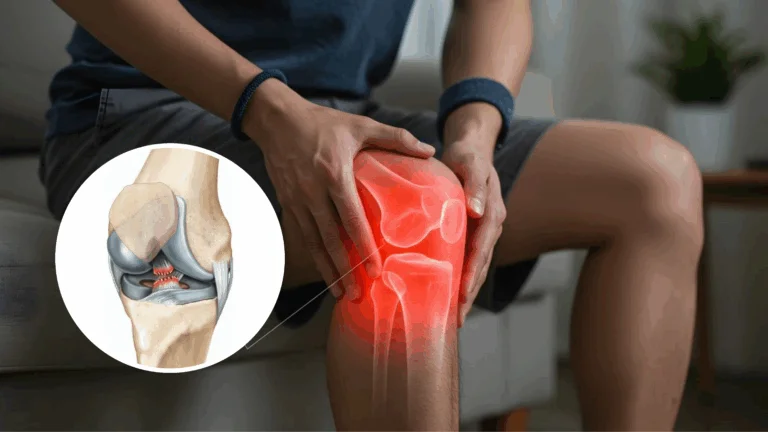
Stem cells are the body's raw materials, master cells that can reproduce themselves and, under the right signals, mature into cartilage, bone, or other tissues. In a joint with worn cartilage, the hope is that these versatile cells will either become fresh cartilage cells, release anti-inflammatory signals, or call in other repair cells. Even if only one of those pathways works, pain and stiffness may ease.
How Do Stem Cells Relieve Joint Pain?
They deliver a repair mechanism right where degeneration is happening. When a concentrated dose of stem cells reaches injured tissue, three things may follow:
- Tissue building: A fraction of the cells may transform into cartilage-like cells, padding the joint surface.
- Inflammation control: Stem cells can secrete proteins that dial down swelling, which is a major cause of pain.
- Protection of remaining cartilage: Some of those proteins also slow down the enzymes that eat away existing cartilage.
The net result in many early studies is a measurable drop in pain scores and improved joint mobility.
What Does Stem Cell Therapy Involve?
The entire process usually fits into a single half-day visit. Typical steps are:
Harvesting
A doctor withdraws bone-marrow fluid from the pelvic bone or removes a small amount of fat through a mini-liposuction.
Processing
The sample spins in a centrifuge until stem cells separate into a concentrated layer.
Injection
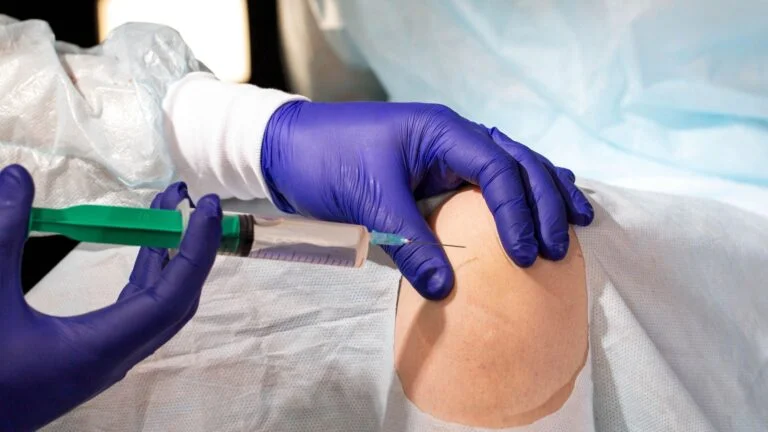
Guided by ultrasound or another imaging tool, the clinician delivers the concentrated stem-cell solution into the damaged portion of the joint. No general anaesthetic is required, and most people walk out of the clinic within an hour.
Recovery
Mild soreness often fades in two or three days. Light activities usually resume within a week, though each centre sets its own guidelines.
How are Stem Cells Extracted for Treatment?
Stem cells are present in various locations throughout the body, for example:
- Bone marrow: Rich in mesenchymal stem cells that can turn into cartilage and bone.
- Adipose (fat) tissue: Offers a high cell yield through a low-risk liposuction.
- Peripheral blood: Contains fewer stem cells, so it is less common in orthopaedics.
Because the cells are autologous which means taken from the patient, there is almost no risk of rejection.
Who is a Good Candidate for Stem Cell Joint Therapy?
People in the early to middle stages of joint degeneration tend to respond best. That often means:
- Men and women under 60 with mild-to-moderate osteoarthritis
- Athletes with small cartilage tears
- Individuals whose pain persists after physiotherapy but who want to delay or avoid joint replacement
- Severe bone-on-bone arthritis can still be treated, yet expectations must be realistic; the goal may shift from full regeneration to partial pain relief and better day-to-day function.
Potential Benefits at Different Stages of Disease
Stem Cell Joint Therapy offers several benefits:
- Pain and swelling often drop within weeks, and MRI scans sometimes show thicker cartilage after several months.
- Patients report improved walking distance and reduced reliance on painkillers, though imaging changes are less dramatic.
- Therapy may buy time before surgery but rarely rebuilds lost tissue completely in case of advanced arthritis.
Safety Profile and Risks to Consider
Most side effects are short-lived like temporary swelling, bruising at the harvest site, or a dull ache inside the joint. The complication rate is far below that of joint replacement, yet any procedure carries small risks:
- Infection if sterile technique falters
- Nerve or blood-vessel injury from the needle (rare)
- Uncontrolled cell growth if the sample is cultured for weeks outside the body, a practice many clinics avoid precisely to reduce this concern
Choosing an experienced provider who follows accepted processing standards sharply lowers these risks.
Which is Better: Stem Cell Therapy or Joint Replacement?
Stem-cell injections aim to restore tissue; joint replacement swaps it entirely. Injections preserve natural anatomy, involve only needle punctures, and demand minimal downtime.
A replacement provides predictable long-term relief for severe damage but requires hospitalisation, general or spinal anaesthetic, and months of structured rehabilitation.
Many patients see injections as a way to defer surgery for years, not necessarily as a permanent substitute.
The role of platelet-rich plasma (PRP)
Some clinics blend stem cells with a small amount of the patient's own platelet-rich plasma. Platelets release growth factors that signal stem cells to multiply and settle in. Early research hints that adding PRP can boost pain relief, yet data is still limited and protocols vary. If offered, ask how the mixture is prepared and why the clinic believes it improves outcomes.
FAQs
How soon will I feel better after stem cell therapy?
Some notice easier movement within weeks, but cartilage takes months to rebuild. Full benefit is usually assessed at the six-month mark.
Can cells over-grow and cause tumours?
Using freshly harvested, minimally processed cells keeps that risk extremely low. Cultured or heavily modified cells raise more concern, which is why reputable clinics avoid them for orthopaedic use.
Does the injection hurt?
Discomfort is similar to a standard joint injection. Local anaesthetic numbs the skin, and most people rate the pain as mild and brief.
Will one injection fix both knees in stem cell therapy?
Each joint typically requires its own dose. Treating both knees at once is possible if enough cells are harvested, yet many clinicians stage the procedures a few weeks apart.
What if I have severe arthritis?
The therapy may still ease pain, but the chance of rebuilding smooth cartilage falls. It can serve as a bridge while you plan for eventual replacement.
Could I combine stem-cell therapy with physiotherapy?
Yes. Targeted exercises help the new tissue align with joint mechanics, so most protocols pair injections with a structured rehab plan.
Conclusion
Stem-cell therapy is offering real relief for the right patient under the right circumstances. Because cells come from your own body, compatibility issues fade, and recovery time shrinks compared with surgery.
Still, the field is young, regulations are evolving, and not every clinic follows best practices. Do your homework: understand the science, weigh benefits against costs, and partner with a clinician who values transparency. With clear expectations and proper guidance, stem-cell therapy can become a powerful tool in the fight against joint pain, helping many people stay active, independent, and in motion for years to come.