Genicular Artery Embolisation: A Breakthrough for Knee Osteoarthritis
Knee osteoarthritis can significantly impact your daily life in ways like morning walks turn shorter, stairs look steeper, and even sleep grows restless. Traditional options range from pills that upset the stomach to surgery that can keep you off your feet for months.
Somewhere between those extremes sits Genicular Artery Embolisation (GAE), a minimally invasive procedure that calms knee pain by turning down the blood flow that fuels inflammation.
In recent studies, most people reported a sharp drop in pain scores within weeks and needed fewer pain‑killers for months, sometimes years. If you are looking for relief without major surgery, GAE may be the step that helps you reclaim easy movement and longer strolls.
What is Knee Osteoarthritis and Why Does it Hurt so Much?
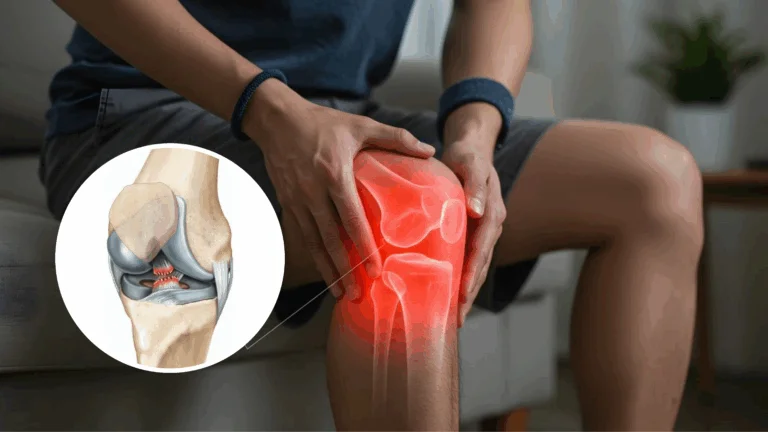
Knee osteoarthritis is a wear‑and‑tear condition in which the protective cartilage thins out and the joint lining becomes inflamed, producing pain, stiffness, and swelling. As the cartilage erodes, bones rub against each other, and the inflamed tissue releases pain‑signalling chemicals. That mix of friction and inflammation explains why the joint aches during activity, feels stiff at rest, and gradually limits your range of motion.
What Exactly is Genicular Artery Embolisation?
GAE is a minimally invasive procedure that blocks tiny arteries supplying the inflamed lining of your knee, reducing blood flow and, in turn, lowering inflammation and pain. Under real‑time X‑ray guidance, an interventional radiologist threads a micro‑catheter from a small groin puncture to the arteries around the knee.
It then releases microscopic beads that lodge in those vessels. Because the particles target only the abnormal branches, healthy tissues continue to receive the circulation they need.
Inflamed joint tissue requires more blood, so it forms new, unstable vessels that serve as pathways for pain. By shutting those capillaries, GAE stops the inflamed lining, reducing swelling and reducing the chemical signals that cause pain.
The end effect is smoother mobility with fewer pains, which is generally visible within a few days and continues to improve for months.
Is GAE the Right Choice for You?
GAE suits adults who have mild‑to‑moderate osteoarthritis pain that persists despite exercise therapy, anti‑inflammatory pills, injections, or radio‑frequency nerve ablation. You should have tried conservative care for at least six months and either want to delay knee replacement or cannot undergo major surgery.
Advanced deformities, active infection, or heavy smoking history can lessen the benefit, so your doctor will review X‑rays and medical history before giving the green light.
What Happens During the GAE Procedure?
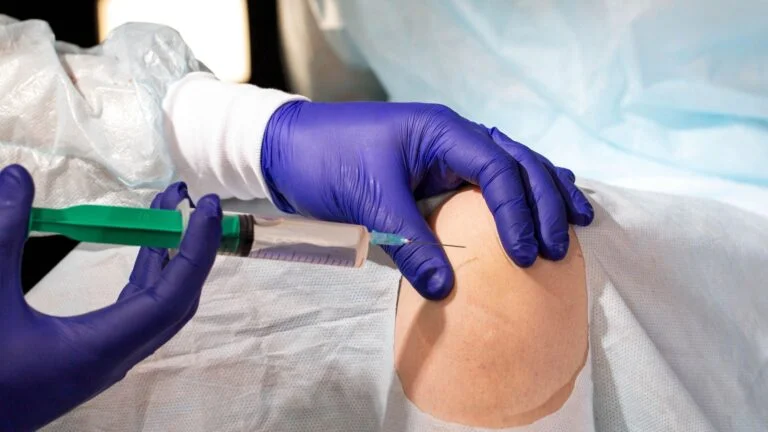
You stay comfortably drowsy under IV sedation, not under a breathing tube. After numbing the skin, the doctor slips a straw‑thin catheter into the femoral artery and guides it under X‑ray to the genicular arteries.
Once the bead slurry is delivered, the catheter slips out, a small bandage goes on, and there is no large incision or stitches to worry about. From start to finish, the process usually takes one to two hours.
What Should You Expect Right After GAE?
Most people walk out of the clinic the same day. You may notice mild groin bruising or a faint blush on the skin around the knee that fades within days.
Over‑the‑counter anti‑inflammatory tablets usually handle any soreness. Plan to rest the first evening, then resume light activities the next morning, easing back into full routine over a week.
How Long Does the Pain Relief Last After GAE?
Pain often drops sharply in the first 10-14 days and keeps improving for about six months as inflammation settles. Studies tracking patients up to two years and a few beyond show benefits persisting well past the one‑year mark in a majority, though results vary.
If discomfort comes back, a repeat embolisation may be considered, but many people use the pain‑free window to strengthen muscles and lose weight, extending the relief.
How Does GAE Compare with Other Treatments Like Injections or Physical Therapy?
Different treatments work in different ways, for example:
- Steroid injections can numb pain but may speed up cartilage loss if repeated often.
- Viscosupplement gels offer lubrication but help only a subset of patients.
- Physical therapy builds strength and mobility and remains essential, yet not everyone achieves sustained relief.
GAE becomes a possibility after these measures reach a saturation point. It treats inflammation at its source without removing bone or adding hardware, resulting in a quicker recovery than open surgery.
Will Your Insurance Cover GAE?
Coverage is expanding as evidence grows, yet policies differ. Before scheduling, the healthcare team checks your plan, seeks pre‑authorisation where needed, and talks throughout‑of‑pocket estimates. If coverage is limited, payment plans or clinical trials may offer alternate routes to care.
Risks and Complications
Any arterial puncture carries a small chance of bleeding or bruising at the entry site. Rarely, the beads can reach the skin, causing temporary colour change, or lodge where they were not intended, leading to tissue irritation.
Most side effects are mild and short‑lived and serious complications are uncommon but include vessel injury or reaction to the contrast dye. Your care team will explain how they minimize these events and how to spot them early.
How Can You Prepare for GAE?
Some tips which can help you better prepare for the GAE procedure are as follows:
- Stay active: Gentle exercises improve circulation and muscle tone.
- Weight Management: Every extra kilogram multiplies knee stress; even modest loss helps.
- Quit smoking: Tobacco slows healing and may exclude you from candidacy.
- Review medications: Blood thinners or uncontrolled diabetes might require adjustment.
- Plan a helper: Arrange for a friend or family member to drive you home.
Frequently Asked Questions
I'm 45 and still active—am I too young for GAE?
No. Age is less important than symptom severity and X‑ray findings. If pain limits your lifestyle and other treatments have not lasted, GAE can bridge the gap until you truly need joint replacement.
Will GAE fix the cartilage damage?
GAE calms inflammation but does not regrow cartilage. Think of it as turning down the volume of pain, giving you room to move and strengthen the joint.
How soon can I return to the gym after GAE?
Light cycling or upper‑body workouts are usually fine within a week. High‑impact training should wait until your follow‑up visit, often around four weeks.
Is radiation exposure dangerous?
The X‑ray time is short and focused, and protective measures limit scatter. The dose is comparable to many diagnostic scans and well below harmful levels.
Can the beads move after they are placed?
Once embedded, the particles stay put. They are made of an inert material that the body tolerates without reaction.
Could I still need knee replacement later?
Yes, GAE controls symptoms but cannot reverse advanced joint changes. It can, however, delay surgery and reduce pain in the meantime.
Conclusion
Genicular Artery Embolisation offers a middle path between short‑lived injections and life‑changing replacement surgery. By quietly blocking the vessels that stoke inflammation, the procedure often delivers months, sometimes years of easier movement and lighter pain.
If everyday tasks have grown taxing and other treatments no longer hold up, talk with your healthcare team about whether GAE fits your goals. You deserve joints that let you chase the life you love, not tiptoe around constant ache.